

Introduction
Extreme temperatures are becoming more common—and more dangerous. While everyone is vulnerable, older adults face unique risks due to how aging affects the body, medications, and existing health conditions.
Here’s how to protect yourself or a loved one from heat-related health issues.
Why Are Older Adults More at Risk?
- Reduced ability to sweat
- Slower thirst response
- Chronic health conditions like heart, lung, kidney disease, or diabetes
- Medications that affect fluid balance or temperature control
Even moderate heat can cause complications in older adults—sometimes before heat alerts are issued.
What Are Heat-Related Illnesses?
Your body cools itself through sweating. But during extreme heat, this system can fail. The result: a range of illnesses that can escalate quickly.
Heat Rash
- Red or dark bumps, especially in skin folds like the neck or groin, caused by excessive sweating.
Heat Cramps
-
Muscle spasms in the arms, legs, or abdomen after exertion in the heat.
Heat Exhaustion
- Heavy sweating, pale skin, dizziness, nausea, and headache. Requires immediate cooling and hydration.
Heat Stroke
- A medical emergency. Body temperature rises above 103°F, causing confusion, hot dry skin, and possibly unconsciousness. Can lead to brain and organ damage.
What to Do When You Notice Symptoms
- Heat Rash: Keep dry, wear loose cotton, use anti-itch creams.
- Heat Cramps: Rest in a cool place, drink fluids. Seek help if cramps don’t go away.
- Heat Exhaustion: Cool down, hydrate, remove excess clothing. Call for help if symptoms persist.
- Heat Stroke: Call 911 immediately, cool the person down with wet cloths or a cold bath. Do not give fluids.
Four Smart Ways to Stay Cool
- Dress Smart: Wear light, loose, and breathable clothing.
- Track the Weather: Avoid going out during peak heat. Use apps to monitor temperature and humidity.
- Stay in Cool Spaces: Malls, libraries, and cooling centers offer relief if your home lacks AC.
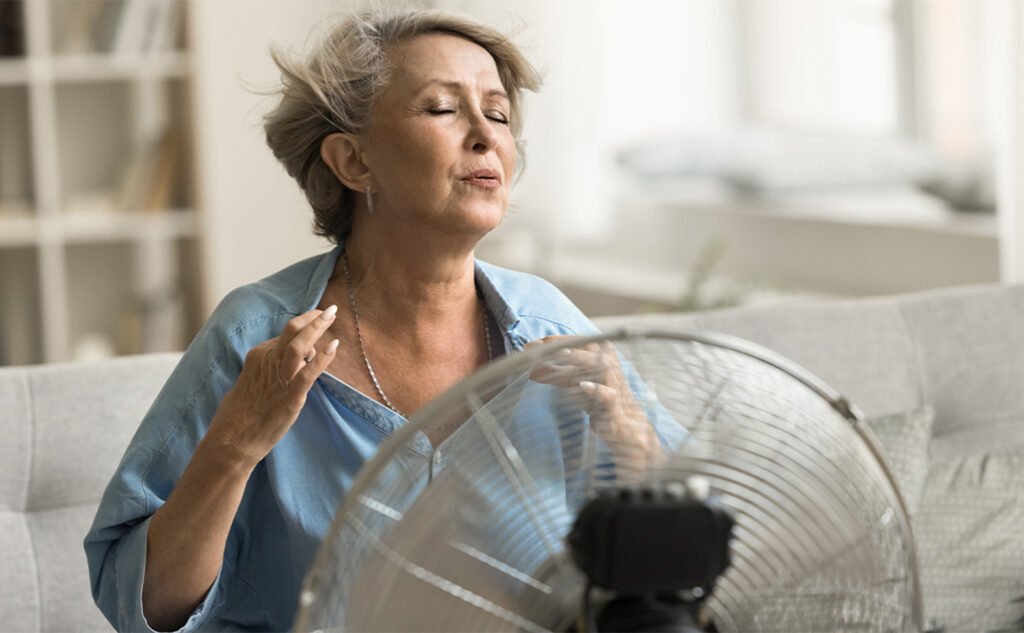
- Use Fans Wisely: Fans work best with cooler air. On hot days, dampen clothes or skin and find AC when possible.
Ask Your Doctor: Create a Hot Weather Plan
If you’re on medication or living with chronic illness, work with your healthcare provider to prepare for summer. A personal plan can help you stay safe during heat waves.
What to Know if You’re on Medication
Some medications increase your heat risk by:
- Reducing sweating
- Increasing urination
- Blunting thirst cues
- Diuretics, beta blockers, ACE inhibitors, ARBs
- Antidepressants and antipsychotics
- Parkinson’s medications
- Antihistamines
💡 Tip: Always ask your doctor or pharmacist how your medications interact with heat. Don’t make changes without medical advice.
If You Have Heart Problems
- Avoiding physical activity between 10 a.m. and 4 p.m.
- Staying in air-conditioned environments
- Drinking water regularly—even without feeling thirsty
If You Have Lung Conditions
- Monitor air quality
- Always carry your quick-relief inhaler
- Stay indoors during peak heat
If You Have Kidney Issues
Dehydration can damage kidney function, especially for those with pre-existing conditions.
- Follow fluid intake recommendations from your doctor
- Watch for signs of dehydration: dark urine, dry mouth, dizziness
- Avoid caffeinated, sugary, or salty drinks
Don't Wait for a Heatwave to Act
Worried about how heat may affect you or a loved one? Our team can help.